
Stretches for Tight Hips from Sitting: Why Hip Mobility Matters
Why Hip Stretches for Tight Hips Matter More Than You Think
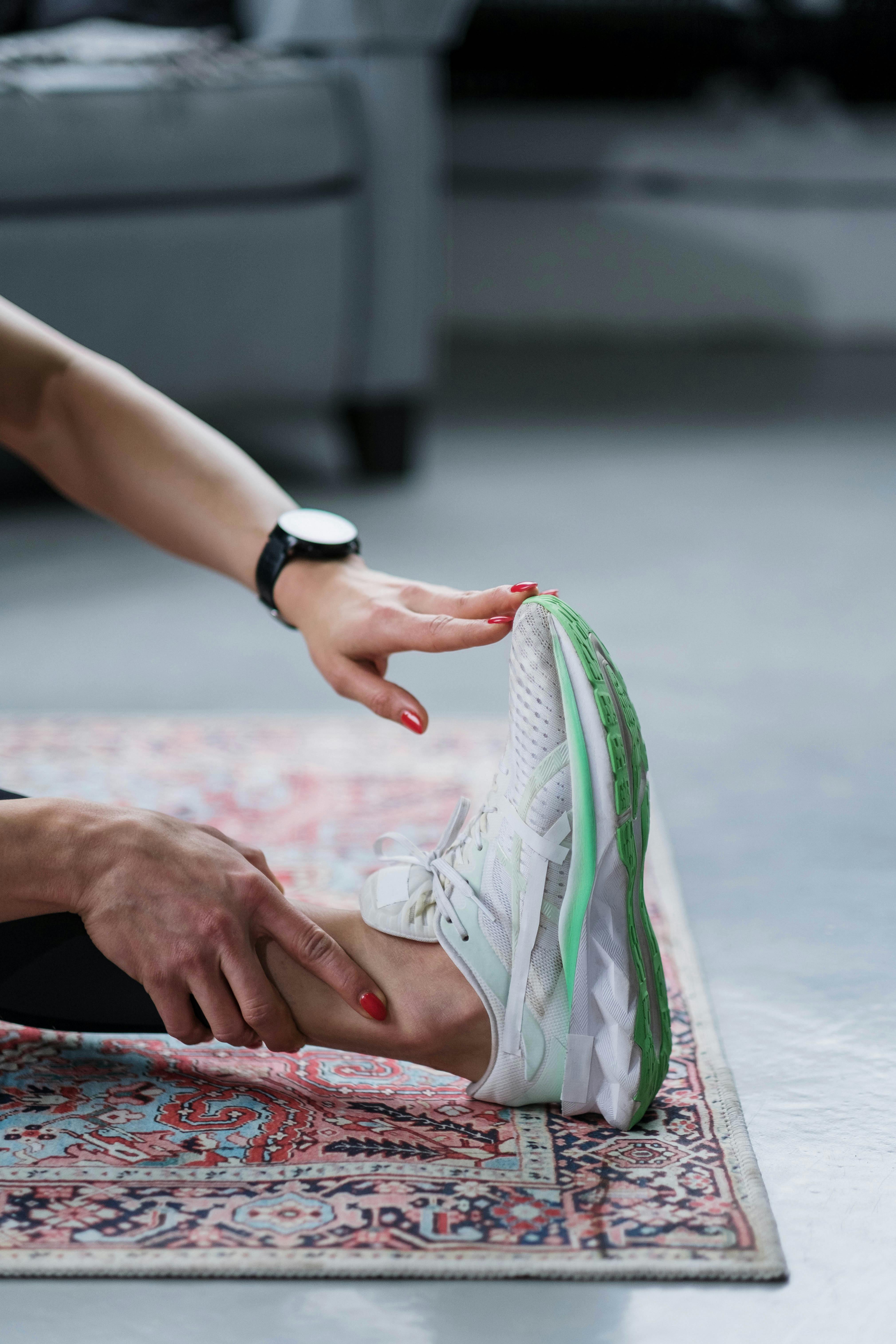
If you spend much of your day at a desk or in the car, tight hips from sitting can quietly become part of your daily reality. Long hours in a seated position shorten the hip flexors, reduce circulation, and weaken surrounding muscles. Over time, tight hips from sitting affect posture, comfort, and overall movement quality. Incorporating hip stretches for tight hips into your routine is one of the most effective ways to reverse these effects and protect long-term mobility.
When tight hips from sitting go unaddressed, the body begins to compensate. The lower back may absorb extra strain, the glutes may weaken, and walking mechanics can change. That is why hip stretches for tight hips are not just about flexibility. They are about restoring balance to the entire body and improving overall hip mobility.
1. Reduce Discomfort and Improve Posture
One of the most noticeable benefits of hip stretches for tight hips is reduced lower back discomfort. Tight hips from sitting often pull the pelvis forward, placing stress on the lumbar spine. Over time, this imbalance can contribute to chronic stiffness and poor alignment.
Regular hip stretches for tight hips help lengthen shortened muscles and improve posture by restoring better pelvic positioning. As hip mobility improves, pressure on the lower back decreases and standing tall feels more natural. Addressing tight hips from sitting also reduces strain on the neck and shoulders, supporting full-body alignment.
2. Improve Movement and Performance
Healthy hips are central to nearly every movement including walking, bending, climbing stairs, and exercising. When tight hips from sitting restrict range of motion, other joints such as the knees and lower back compensate. This can reduce efficiency and increase strain.
Consistent hip stretches for tight hips enhance hip mobility, allowing for smoother stride length, better balance, and stronger performance during workouts. Improving tight hips from sitting creates a more stable foundation for movement and helps everyday tasks feel easier.
3. Support Long-Term Mobility and Energy
Beyond flexibility, hip stretches for tight hips support circulation and nervous system balance. After extended sitting, improving hip mobility encourages blood flow and helps reduce fatigue. Addressing tight hips from sitting can also enhance stability and coordination, which becomes increasingly important with age.
Maintaining hip mobility through regular hip stretches for tight hips is a proactive investment in long-term health. Flexible hips allow you to move confidently, maintain independence, and protect joint function for years to come.
The Bottom Line
Tight hips from sitting are common in today’s chair-centered world but they do not have to become permanent. Prioritizing hip stretches for tight hips improves posture, reduces lower back discomfort, and enhances overall hip mobility. By consistently addressing tight hips from sitting, you support strength, stability, and lifelong movement health.